
- This event has passed.
With us at the center of our world: animals, domestications, dreams
Opening Friday, June 12, 2026, 6–8 pm
Exhibition hours: Tuesday–Saturday, 12–5 pm, extended hours through 8 pm on Wednesdays, and by appointment
On view through September 11, 2026
Squeaky Wheel presents an exhibition and public programs thinking through and on non-human animals. The artists – working in animation, essay films, speculative narratives, installation work, among other forms – address domestication, colonialism, extinction, and conservation, and the toll humans extract from our co-inhabitants on earth. The exhibition features work by Amy Ching-Yan Lam, Annika Eriksson, Cameron A. Granger, Christina Corfield, Deniz Tortum & Sister Sylvester, G. Anthony Svatek, Miranda Javid, and Noor Abuarafeh, with films by Serge Avédikian, Chris Marker, and Wiame Haddad in the screening program.
The title of the exhibition – with us at the center of our world – is from John Berger’s quintessential essay “Why Look at Animals?”, describing the place and role humans placed animals: how we may have seen and defined ourselves, our world through and with them. The works take on various perspectives, looking with and at animals, and how the forces of capitalism, control, colonialism, and war are now intertwined in our relationships with them. Thinking through these forces, the collected works in the exhibition ask: what is the world that humans and animals are at the center of, and are other worlds possible?
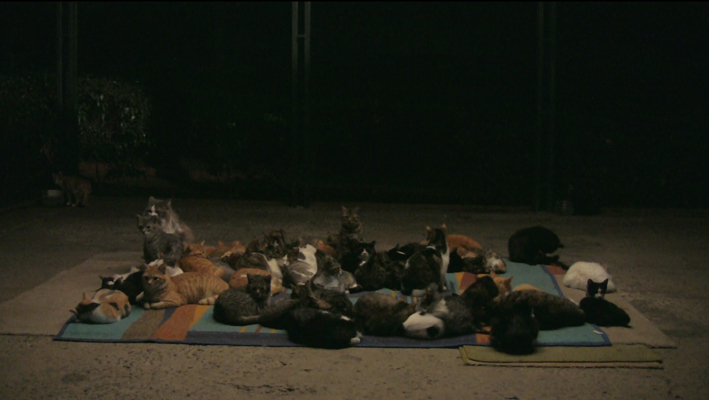
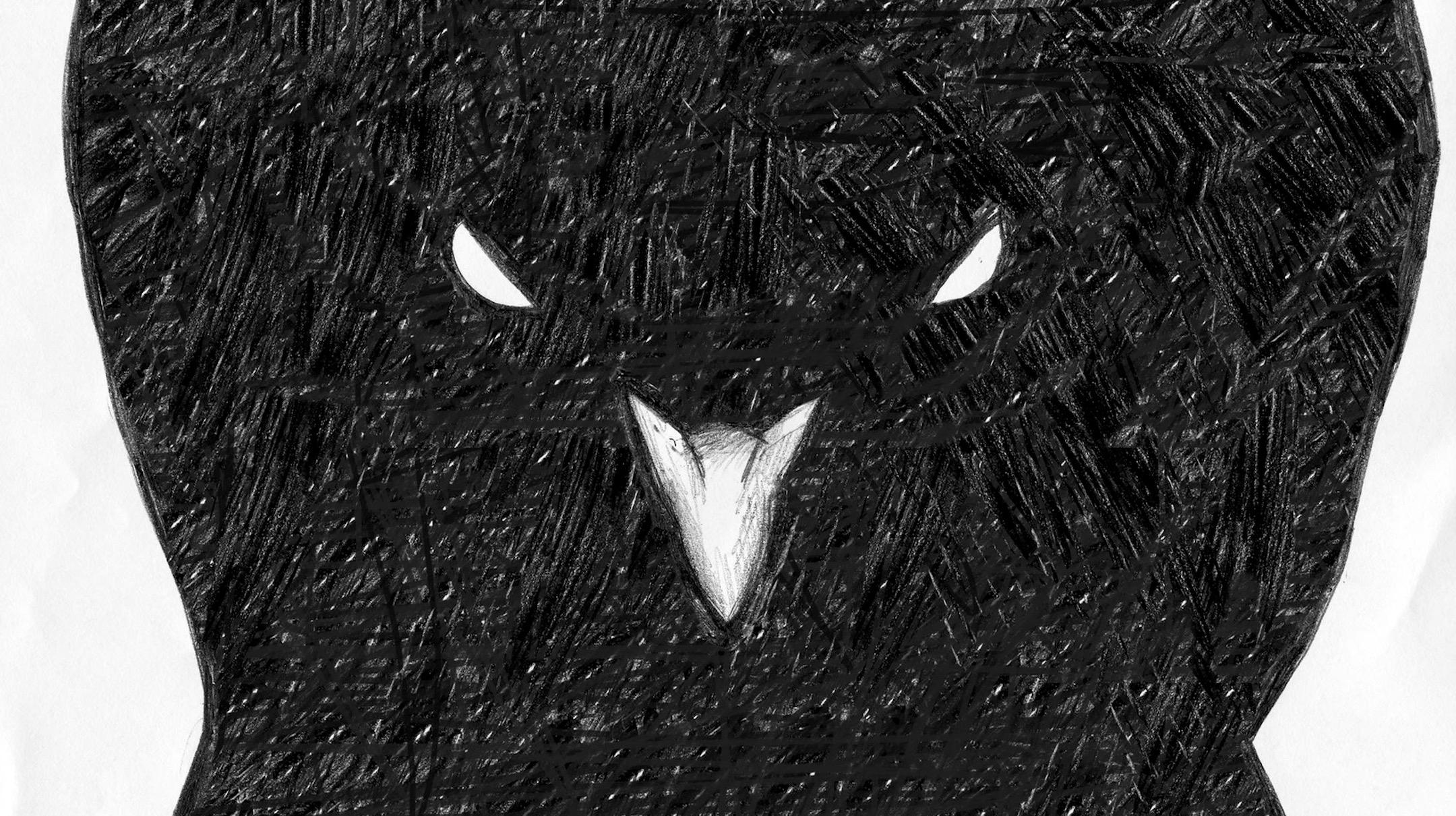
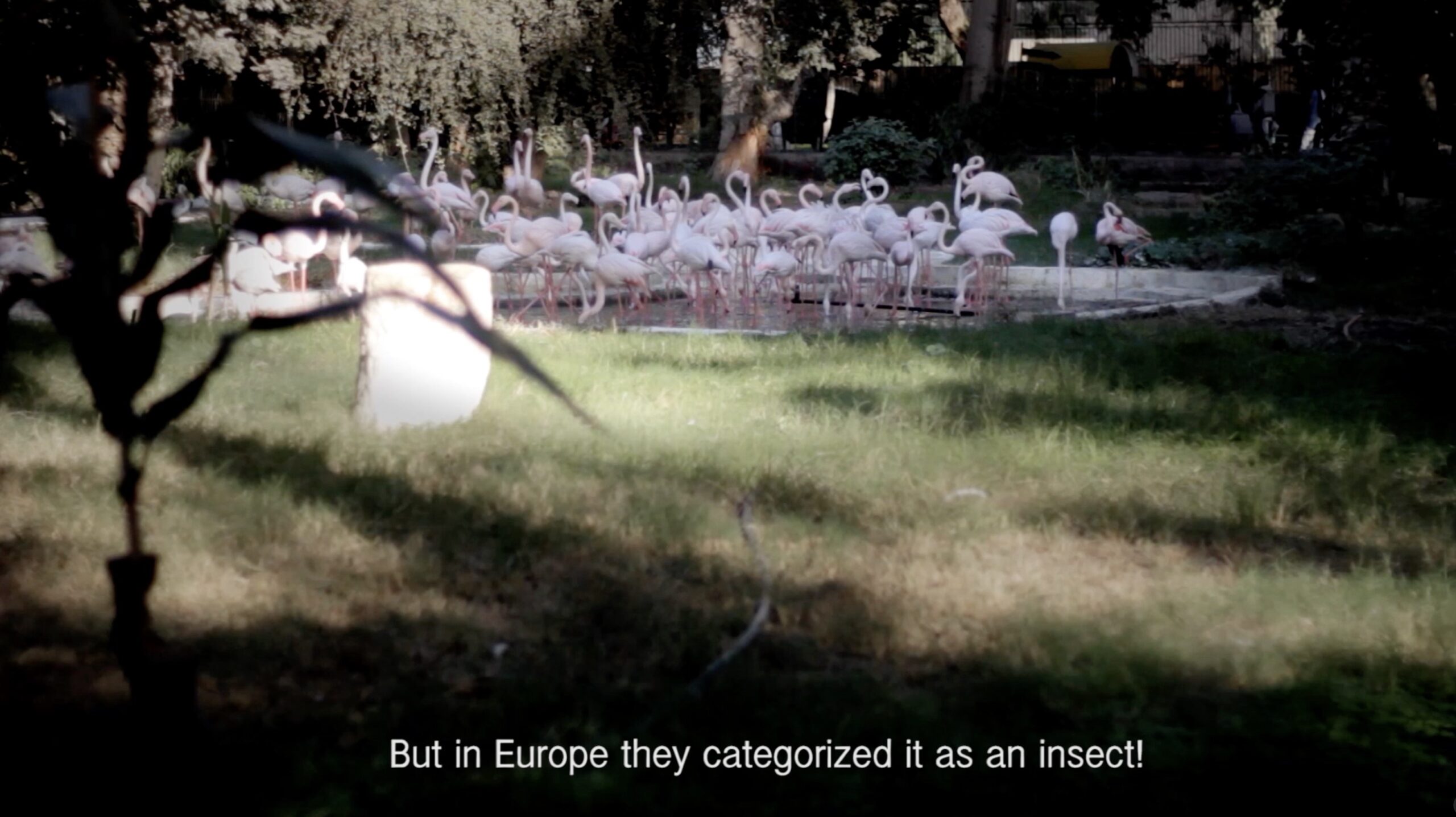
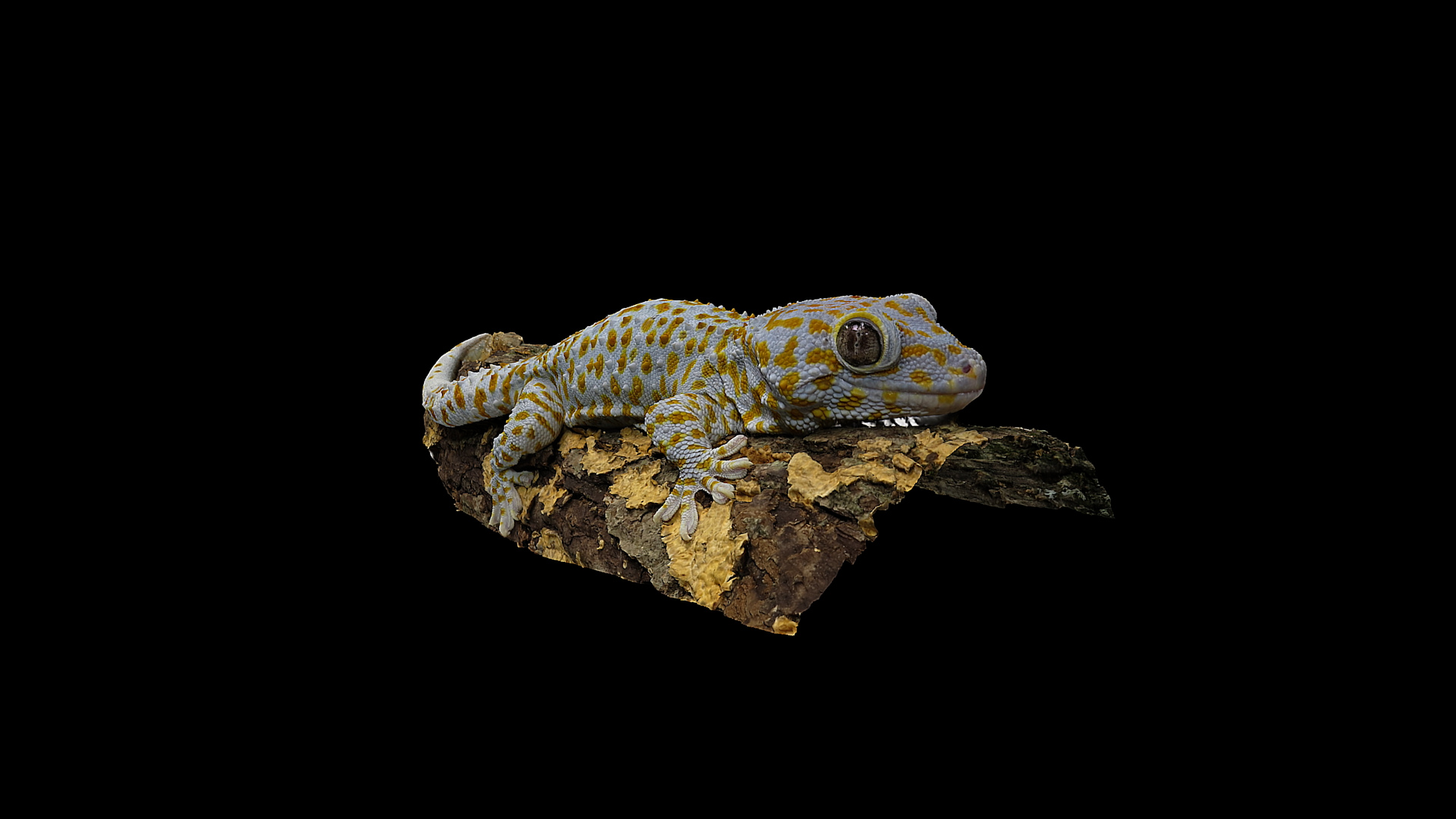
Left to right: Annika Eriksson, The Community (2010); Miranda Javid, Little Winds That Died Immediately (2019); Noor Abuarafeh, Am I the ageless object at the museum? (2018); Deniz Tortum & Sister Sylvester, Our Ark (2022).
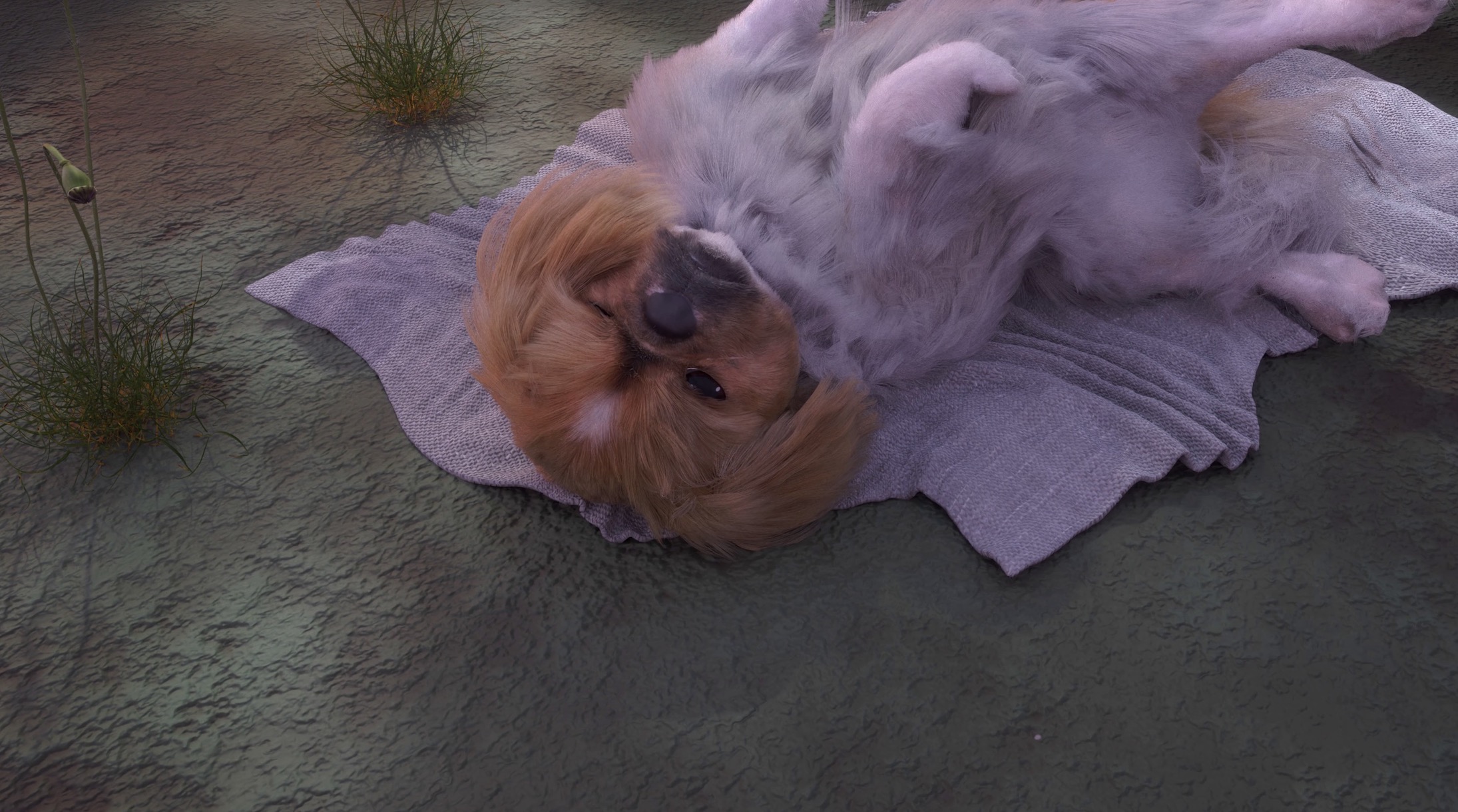
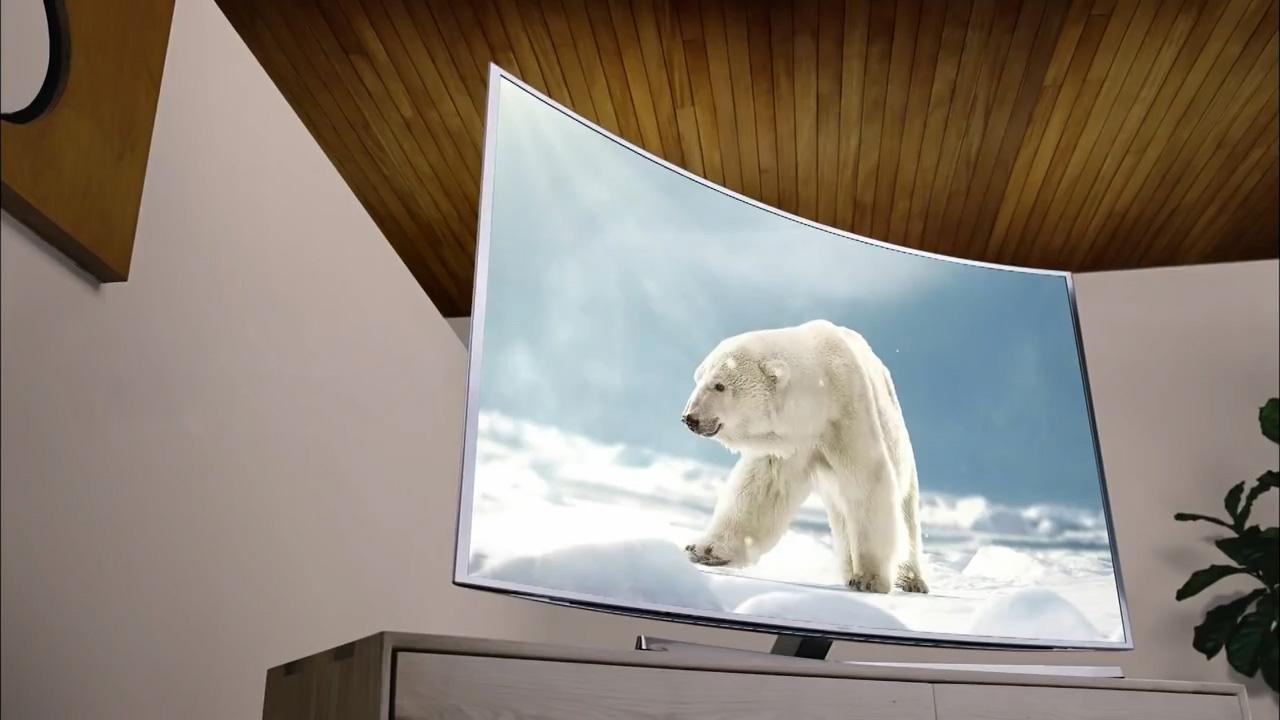
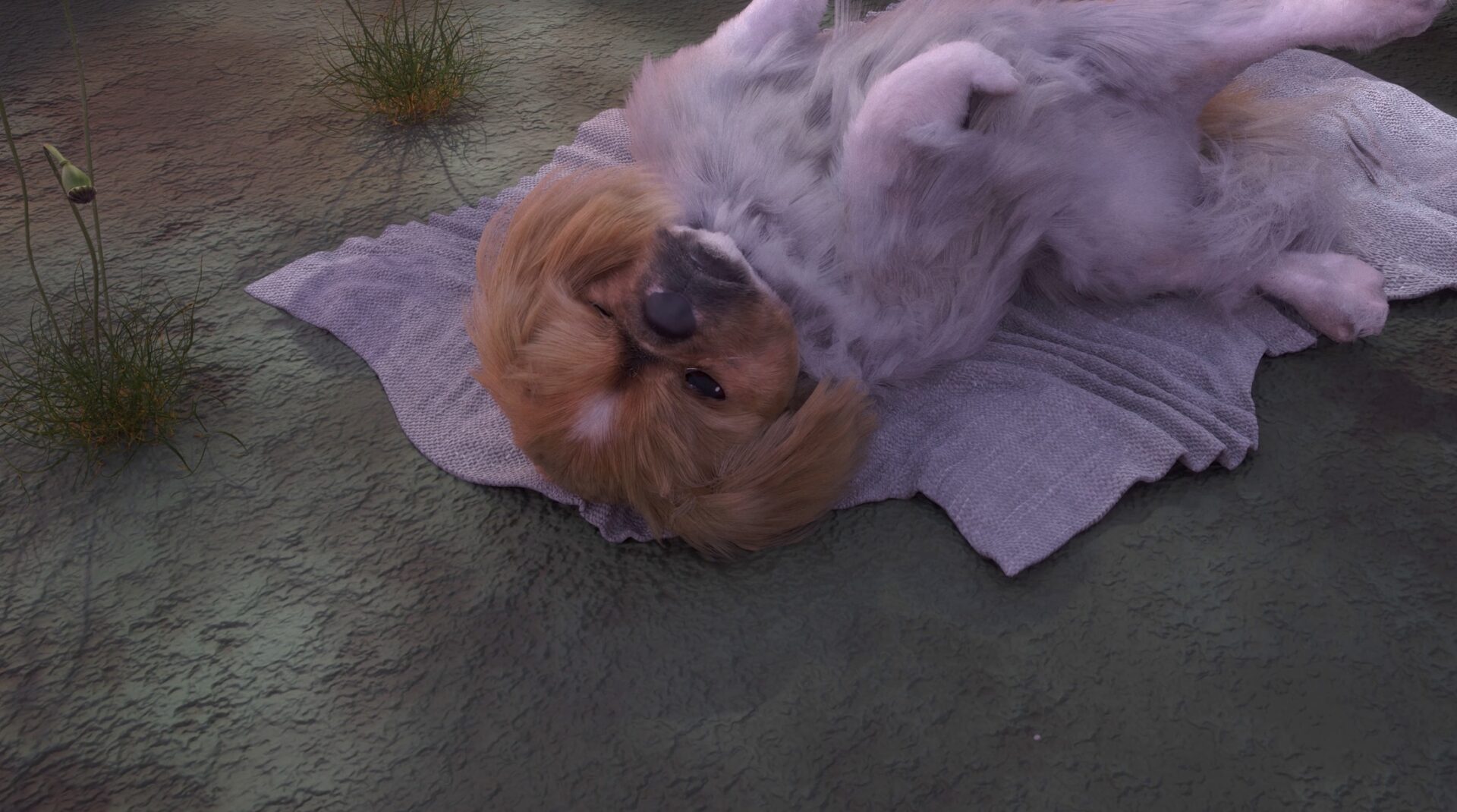
The exhibition features multiple strands for visitors to think through our relationship with non-human animals. Miranda Javid’s characteristically spectacular animated work Little Winds That Died Immediately features small animals as they try to survive under the force of humans using the artist’s signature transformative style, with its subtle and evocative soundtrack heard through the gallery. Amy Ching-Yan Lam’s Looty Goes to Heaven is written from the perspective of Looty, a small Pekingese dog that was stolen by British troops and gifted to Queen Victoria. The speculative fiction work—with Looty’s life told in the book and her restful afterlife in the video work made with Emerson Maxwell—speaks tenderly and often humorously to the obscene legacies left by the British empire on China during the Second Opium War. Cameron A. Granger’s stunning Just Below Heaven imagines the dreams and inner life of a pigeon trained for the machinery of American control; while Christina Corfield’s installation Pony Players Review thinks through the connections and settlements enabled in the U.S. by the Pony Express. Cutting together technology advertisements across decades that feature animals and nature in selling televisions, G. Anthony Svatek’s A Whole New Species harkens to the everpresent narrative of ownership, spectacle, and control over our world. Thinking through curated forms of animal collection such as zoos—what Berger called “living monument(s) to their own disappearance”—Noor Abuarafeh’s Am I the ageless object at the museum? considers zoos, museums, and cemeteries through an evocative narrative and footage of zoos in Palestine, Switzerland, and Egypt. Paired in the center of the exhibition with Abuarafeh’s work, Deniz Tortum and Sister Sylvester’s Our Ark documents the possibilities and consequences of efforts to backup virtual replicas of the world. Finally, Annika Erikkson’s video The Community features a carpet with several street cats in Turkey, opening a space for us to consider the roles and responsibilities of domestication, and the possibility of creating new spaces for human animals and non-human animals to gather.
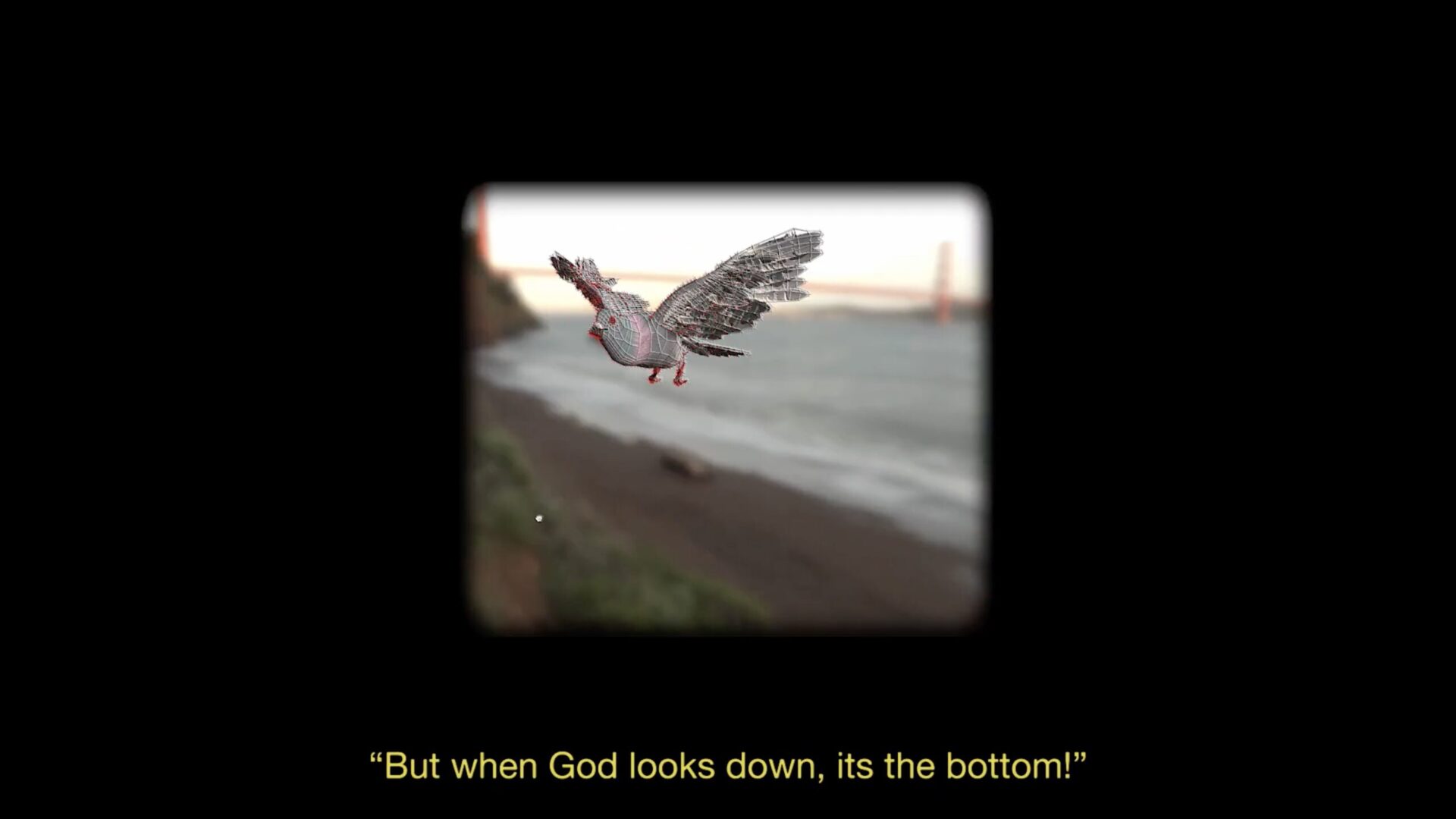
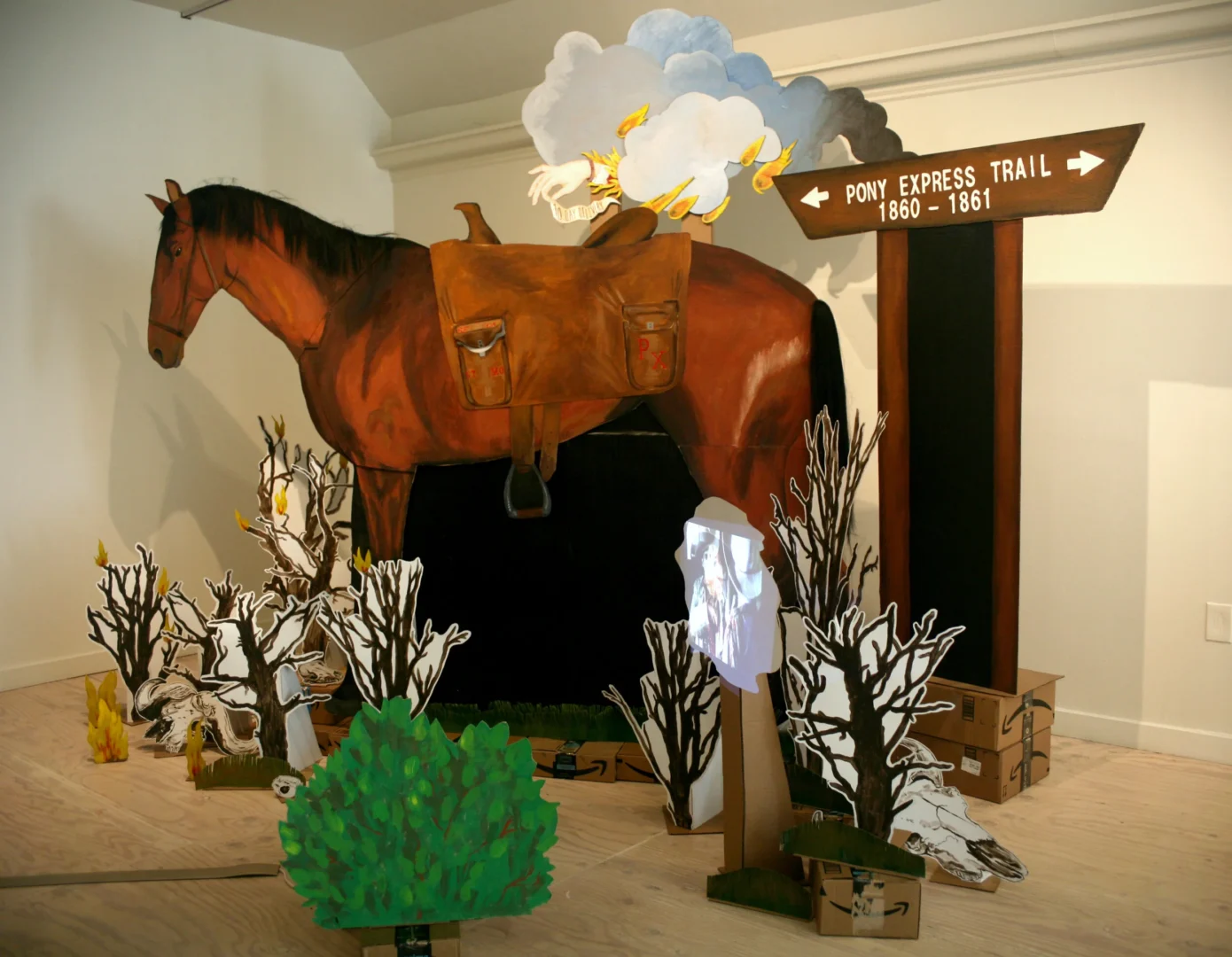
Left to right: Cameron A. Granger, Just Below Heaven (2025); Christina Corfield, Pony Players Review (2020-Present); G. Anthony Svatek, A Whole New Species (1956–2026); Amy Ching-Yan Lam with Emerson Maxwell, Looty Goes to Heaven (2022).
Additional work will be shared with a screening of films, including Chris Marker’s Chats Perchés (The Case of the Grinning Cat) accompanied by the short films Serge Avédikian’s Chienne D’histoire (Barking Island) and Wiame Haddad’s Sang Titre. Avédikian’s animated film, Chienne D’histoire, tells the story of the 1910 dog exile and massacre in Ottoman Istanbul, where thousands of dogs were rounded up and sent to a nearby Island to die in an attempt to modernize the empire in its final years; the film quite clearly asks us to make the connection between the event and the Armenian Genocide. Meanwhile, Wiame Haddad’s brief and subtle film, Sang Titre features mysterious Super 8 footage of a donkey that mourns the ongoing genocide in Gaza. The short films will be screened with Chris Marker’s iconic documentary of the 2000s, Chats Perchés (The Case of the Grinning Cat), where the filmmaker reflects on French and international protest movements and culture at the start of the Iraq War through the sudden appearance of alluring portraits of grinning yellow cats through Paris. Click here to learn more about the screening on its respective page.
Squeaky Wheel is excited to feature the work of former Workspace Residents Deniz Tortum, G. Anthony Svatek, and Miranda Javid in this exhibition. Curated by Ekrem Serdar. This exhibition is supported by Teiger Foundation and the Andy Warhol Foundation for the Visual Arts. Special thank you to Andreas Bertman at Filmform – The Art Film & Video Archive in Sweden, Fırat Sezgin and Ecegül Bayram at the Institute of Time, Luigi Loy at Sacrebleu Productions, Bob Hunter at Icarus Films, Carra Stratton, Jenson Leonard, Noor Abuarafeh, Rachael Rakes, Salome Kokoladze and Aurora Picture Show, Sue Ding, and Toleen Touq.
Visitor and accessibility information:
The exhibition can be visited free of charge between 12–5 pm on Tuesdays, Thursdays, Fridays, and Saturdays, extended hours on Wednesdays from 12–8 pm. Appointments are also available; please email office@squeaky.org with the subject “Exhibition appointment”.
Seating is provided for most work, and additional seating is available upon request. See individual work descriptions for captioning and subtitle information. Works without captions have sound descriptions on wall labels.
Click here for Squeaky Wheel’s parking, transportation, and overall accessibility information.
Public programs and extended hours
Friday, June 12, 6–8 pm
Exhibition opening, with brief remarks by Curator Ekrem Serdar at 7 pm.
Wednesday, June 24, 7 pm
Artist talk: Cameron A. Granger and Christina Corfield (click here for more information)
Wednesday, August 5, 7 pm
Screening: Chris Marker’s The Case of the Grinning Cat, with short films by Serge Avédikian and Wiame Haddad (click here for more information)
Amy Ching-Yan Lam, Looty Goes to Heaven
Book and video. Video made with Emerson Maxwell, 4:30 min, sound, 2022
“Back at the gate to heaven, Looty watched a hedgehog waddle its way through the hole in the thicket. Before she could go in, she had to give the green-faced person a true account of her life. The green-faced person said, in their gravelly voice, ‘It can be as short or as long as you like. The only condition is that it must be absolutely true.'”
A small Pekingese dog was taken from China at the end of the Second Opium War by British troops, brought to England, and gifted to Queen Victoria. This dog was renamed Looty, in reference to how she was found during the looting of the Summer Palace (Yuanmingyuan) outside of Beijing. Looty lived for twelve years at the British royal palaces and died in 1872. It is not known where she was buried.
The Opium Wars were driven, in part, by the British demand for tea from China. In the 1800s, the tea-drinking market, including newly industrialized labour, grew so big that British merchants cultivated a new, exploitative opium industry to counter this trade deficit. Opium was grown by indentured labourers on plantations in South Asia, then imported on a massive scale into China. Silver received from the sale of opium was then used to purchase tea. The objections of the Chinese state to this influx of cheap opium led to the Opium Wars.
Looty was one of the first Pekingese dogs in England, and her arrival informed new trends in chinoiserie, dog breeding, and eugenics. For close to fifty years, Pekingese dogs were the most popular breed of toy dog in England.
This work was commissioned for the 2022 Commonwealth Games & Eastside Projects, curated by Zoe Sawyer, Tim Mills, and Gavin Wade, and supported by Canada Council for the Arts. Video: music by Hannah Guinan; sound mix by Michelle Irving; animation by Emerson Maxwell.
Noor Abuarafeh, Am I the ageless object at the museum?
Video Installation, 15 mins, Arabic with English subtitles, 2018
This video is based on a narrative developed through visits to various zoos and zoological institutions in Palestine, Switzerland, and Egypt. It is part of a larger body of work encompassing video, video installations, a novel, and performances, each exploring the concept of the museum from different angles. The projected video examines the construction of zoos and their historical relationship with museums, as well as the connections between museums and cemeteries. These three entities share a common link to the discipline of history, utilizing similar aesthetics in the representation and display of historical narratives.
Deniz Tortum & Sister Sylvester, Our Ark
Video, 12:33 min, English with open captions, 2021
Our Ark is an essay film on our efforts to create a virtual replica of the real world. We are backing up the planet, creating 3D models of animals, rainforests, cities and people. We are archiving as if ecological collapse could be staved off through some digital Noah’s Ark of beasts and objects. Writer/Directors: Deniz Tortum, Sister Sylvester. Producer: Fırat Sezgin. Editing: Sercan Sezgin. Original Music: Alican Çamcı. Associate Producer: Ecegül Bayram
Christina Corfield, Pony Players Review
Video installation with sound, corrugated cardboard, acrylic paint, ink, construction paper, hot glue, string, Amazon boxes, packing tape, 2020–Present
Pony Players’ Review is a video installation project featuring re-enactments and reimaginings of film scenes, and a series of cardboard installation sets that focus on the popular representation of the 19th century messenger, the Pony Express.
In 1860, the Pony Express was the fastest coast-to-coast messaging system in the US. It was in service for only 18 months after which the transcontinental telegraph replaced the pony with its almost instantaneous information relay. Looking back at the Express can give the process of information relay a form through which to imagine what it means to send messages and be connected. At the same time, it also helps us think about how the systems and devices we use to send messages add something to how we feel about those messages. Sometimes, the stories we attach to those messengers and messaging systems become more memorable or valuable than the messages themselves.
The installations that make up Pony Players’ Review look at stories and myths that surround the Pony Express — stories that communicate a specific (white, masculinist) “official” national history of the United States and the role of western expansion to national growth. This project ties romantic images of the Old West to myths of progress, efficiency, and information circulation (otherwise known as message delivery) — these are potent myths that remain alive in tech industries and digital culture today. But myths are fictions none the less that can be re-written or over-written, and most certainly challenged or torn down.
Cameron A. Granger, Just Below Heaven
Found wood, pigeon feet, rusted nails, video, 8:54 minutes, English with open captions, edition of 2 plus II AP, 18 ½ × 55 ½ inches, 2025
Using behavioral theorist BF Skinner’s series of studies on the rock dove, also known as the common pigeon, Just Below Heaven recasts Skinner’s theory of behavior and control as a stage where the cultural scripts and modes that fuel the machinery of American life are brought under scrutiny. A pigeon has a dream, and finds each one of us in it.
Annika Eriksson, The Community
Digital video, 4:30 min, 2010. Courtesy of Filmform – The Art Film & Video Archive
In Annika Eriksson’s The Community, we encounter a story about Istanbul’s homeless cat community. For many years, the cats were cared for by local cat lovers, but today, the cats have disappeared, the result of a clean-up initiative that altered the cityscape. In Ray Oldenburg’s pamphlet The Great Good Place, he refers to ‘the third place’, where people gather and move between work and family affairs. It is as a place of good company and discussions, the root of democracy, and the vitality of society. The Community invites us to think about the implications of public space and third places for a city’s inhabitants, both human and not.
Miranda Javid, Little Winds That Died Immediately
Graphite animation on paper, 6:20 min, sound, 2019
Small animals struggle to survive under the force of disembodied, human features. Some of these creatures are crushed, smushed, melted, and sizzled, while a resilient few withstand their encounter and amble on. Thousands of rendered and shaded graphite drawings on paper.
G. Anthony Svatek, A Whole New Species
Digital video, 1950–2026
A Whole New Species is a found-footage video installation that critically examines a trope in advertising: using spectacular nature imagery to sell television sets. In these commercials spanning several decades, beautiful landscapes, adorable butterflies, and giant blue whales adorn glowing screens – imitating wildlife to be experienced indoors, as biodiversity declines outside. A Whole New Species shifts the focus away from the device’s novelty and onto the nature used in the ad.
Amy Ching-Yan Lam is an artist and writer. Her practice looks to recover shared experience and feeling from the ruling structures of violence. She uses quotidian materials (like institutional debris) and processes (like jokes). Books and memories are often at the centre of her projects. Exhibitions, performances, and screenings have been presented at The Goldfarb Gallery, York University (2025), Richmond Art Gallery (2023), Eastside Projects (2022), Seoul MediaCity Biennale (2021), SFU Galleries (2021), Centre Clark (2019), Truck Gallery (2018), aka artist-run (2018), the Western Front (2015), Art Gallery of Ontario (2013), and others. She is the author of Baby Book (2023), a finalist for the Governor General’s Literary Awards in Poetry; Property Journal (2024); and 83% Perfect (2025). Amy teaches creative writing in the English department of New York University. She was born in Hong Kong and lives in Lenapehoking / Brooklyn. Click here to visit her website.
Annika Eriksson is originally from Malmö and lives in Berlin since 2002. At the center of her artistic practice is an interest in social interaction: how do we live together, what kind of societies do we create, and what happens in the margins or in the transition from one social order to another? In her work, the social has always involved a key emphasis on the slippages between the one ME into others – with a return to questions of interaction and exchange, circular forms of communication, self-abnegation and empathy. Her project also engages with the relations between humans and animals; of our interdependence, slippages and connection, but also registers of violation, and the animal as a distinctively human projection surface. She has been exhibiting since the early 90s in various biennales and institutions, for example the biennales in Istanbul, Venice, Sao Paolo, Shanghai and Vienna; in institutions such as Bonner Kunstverein, Tate Liverpool, Hamburger Bahnhof, Berlin, Hayward Gallery, London and Moderna Museet, Malmö and Stockholm.
Cameron A. Granger is Sandra’s son & came up in in the Euclid, Ohio. He likes pigeons, video games, & memes. Lately he’s been thinking about how myth making and narrative have been used as a means to police the imagination, and making movies with his friends. He’s a lifetime member of MINT Collective, long may it live, and an alumni of Euclid Public Schools. Granger is an alumni of the Studio Museum in Harlem AIR program (21-22) and Skowhegan School for Painting & Sculpture (2017). His film, Before I Let Go, was awarded Best Experimental Film and the Audience Award at the 2023 BlackStar Film Festival. Granger lives and works between Columbus, OH and Queens, NY. Granger has exhibited his work in solo exhibitions at Kate Werble Gallery in New York, NY, No Place Gallery, Columbus, OH (2022); and Vox Populi, Philadelphia, PA (2018), among others. He has shown in group exhibitions at MoMA PS1, Long Island City, NY (2022), The Museum of Contemporary Art Detroit in Detroit, MI, Jack Shainman The School, Kinderhook, NY (2022), and The Bemis Center for the Arts, Omaha, NE (2021).
Christina Corfield is a British-born interdisciplinary artist and media scholar. She has published her research in academic journals such as The Journal of Early Popular Visual Culture, and the Journal of Cinema and Media Studies. Christina has exhibited her artwork in Europe and across the US, most recently with a solo show at the Western New York Book Arts Center, as well as Telematic Gallery, San Francisco, and Johansson Projects in Oakland, CA. Her scholarly and artistic work focuses on media history, media materiality and logistical media, exploring how the perceived value of media and technology is negotiated through the stories we tell about them.
Deniz Tortum (İstanbul, 1989) works in film and immersive media. Among his recent work, his feature documentary Phases of Matter (2020, IFFR) explores a state-run teaching hospital in Istanbul; his essay video Our Ark (2021, IDFA, co-dir Sister Sylvester) reflects on our efforts to create a virtual replica of the real world, a digital Noah’s Ark; and his virtual reality work Shadowtime (2023, Venice Film Festival, co-dir Sister Sylvester) explores the history of virtual reality and its relation to the climate crisis. Between 2014 and 2020, he worked as a researcher at the MIT Open Documentary Lab and MIT Transmedia Storytelling Initiative. In 2019, he was featured as one of the 25 New Faces of Independent Film by Filmmaker Magazine. His work has screened internationally, including at the Venice Film Festival, IFFR, IDFA, SXSW, the Museum of the Moving Image among others. He is the co-founder of the interdisciplinary studio Institute of Time and the Istanbul-based film collective Görültü. He is currently leading a research project with Salt Istanbul about the 60s independent Turkish film scene; and developing Intrusions, a film around spiritism and climate anxiety.
Having grown up at the foot of the Austrian Alps, G. Anthony Svatek is awed by the living world and how it is increasingly impacted by our techno-urban lives. Anthony’s work screened at NYFF, Intl FF Rotterdam, Visions du Réel, Ann Arbor, Big Sky, Prismatic Ground, DOCNYC, amongst others. Supporters include Ford Foundation JustFilms, NYSCA, Simons Foundation, Austrian Cultural Forum NY. He is the recipient of the New Visions Golden Gate Award at SFFILM. Commissioned work includes projects for New York Magazine, New York State Parks, and Pioneer Works. He has staffed seasonally at the Flaherty Film Seminar, The Climate Museum, and the American Museum of Natural History.
Miranda Javid is an animator, curator, and art educator living in the Hudson Valley of New York State. On her work, collaborator Brendan Sullivan once said, “Miranda’s work captures the pulsing network of the living, the heft of bodies, and the density of human experience. Her work is playful and also somberly scientific, as it tracks time and decay with special attention to the body wading through it. There is a whole world in there, traces of the big unknowables, both the mystic and the muddled mess of human stuff. Within that unknowable mess, ritual is the mark left in time.” Her films have shown nationally and internationally at festivals like the Ann Arbor Film Festival, Slamdance, Flatpack, Images, Eyeworks Film Festival, The Maryland Film Festival, and Animation Block Party. She is a former Kenan Fellow, Denniston Hill and Squeaky Wheel resident, a Sherman Fairchild grantee, and a recipient of the Nancy Harrigan Prize, given through the Baker Artist Fund. Her drawings have shown at The Baltimore Museum of Art, and The Mint Museum of Art in North Carolina.
Noor Abuarafeh is a Palestinian artist based between Jerusalem and Rotterdam. Her practice spans video, performance, publications, and video installations, with a focus on the themes of memory, history and archives and the complexities of tracking absence. Noor’s videos and performances are based on texts and call the complexity of history into question: how it is formed, constructed, made, perceived, visualized and understood. She asks how all these elements are related and investigates the possibility of representing the past when the past is still present. Her videos and socially-engaged works are based on interviews, workshops and other participatory encounters.
In the past Abuarafeh has shown in solo and group exhibitions at De Appel (2024), Art Jameel (2024), Jakarta Biennale (2024), Frieze Museum (2023), Venice Biennale (2022), Berlin Biennale (2020), and Sharjah Biennale 13 (2017). She also participated in the Off-Biennale Gaudipolis in Budapest (2017) and the Qalandia International in Jerusalem (2018), among others. In 2019, she held her first solo exhibition, The Moon is a Sun Returning as a Ghost, curated by Lara Khaldi in Jerusalem.